Deuter Aircontact Lite 40+10 vs Osprey Kestrel LT 65
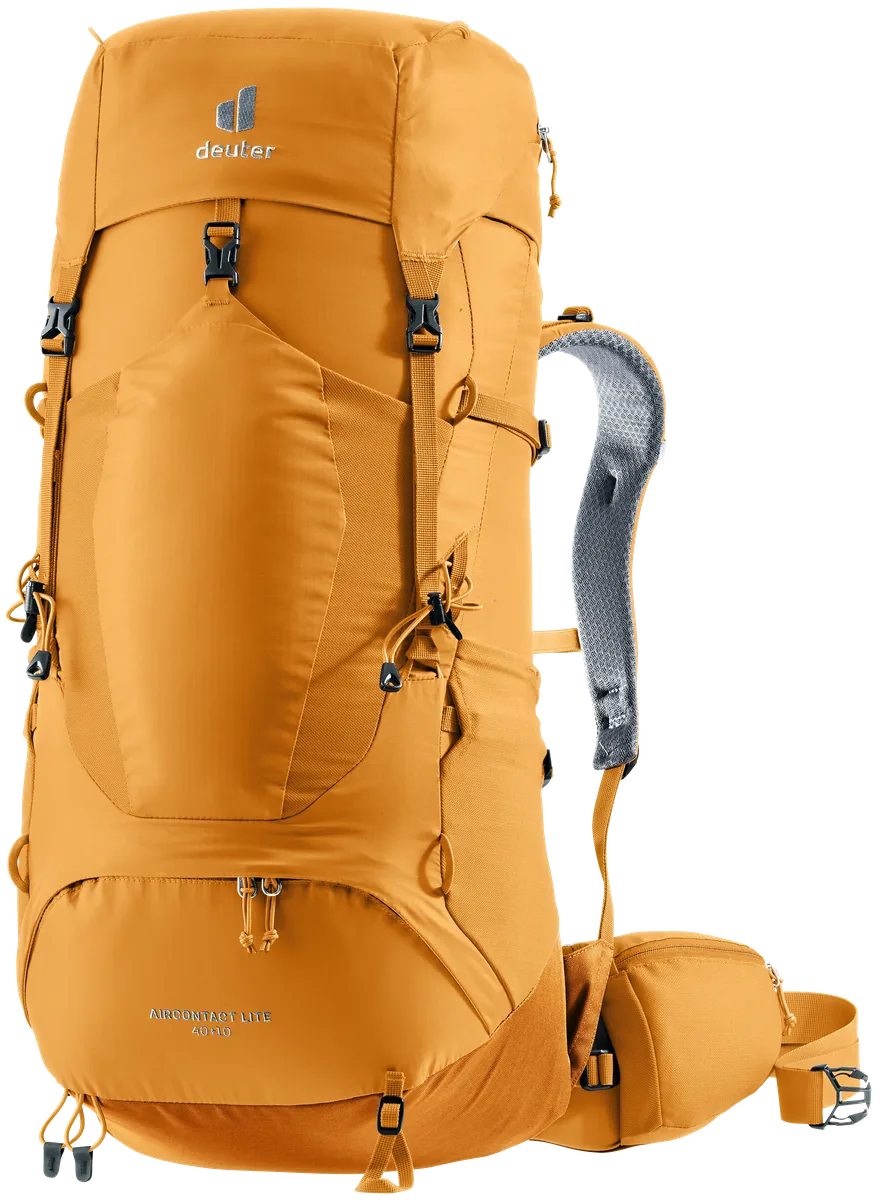
vs
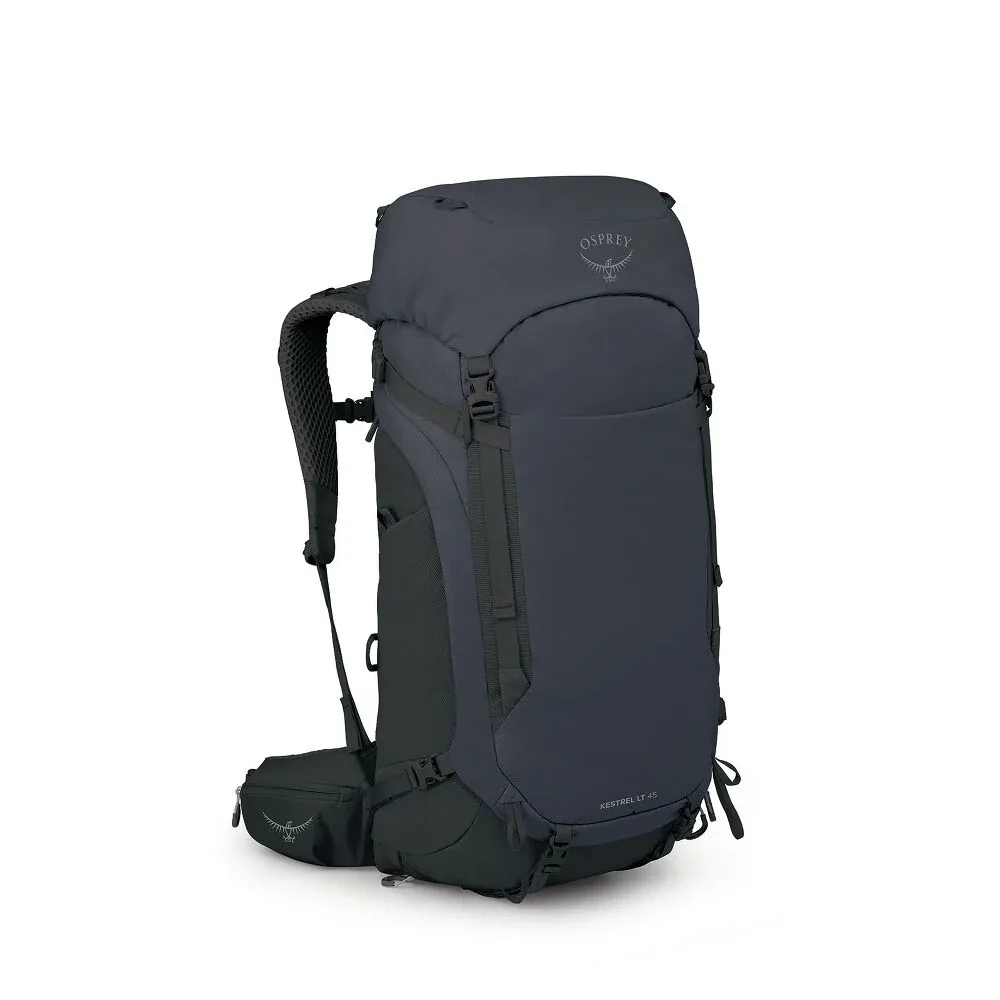
Quick take: The Osprey Kestrel LT 65 carries more (65 vs 50 liters); the Deuter Aircontact Lite 40+10 is lighter (3.51 vs 4.25 lbs).
| Spec | Deuter Aircontact Lite 40+10 | Osprey Kestrel LT 65 |
|---|---|---|
| Price | $220 | $220 |
| Rating | — | 4.5★ (2) |
| Type | Traditional Pack | Traditional Pack |
| Frame Type | Internal Frame | Internal Frame |
| Capacity | 40+10 L | 65 L |
| Weight | 3.51 lbs | 4.25 lbs |
| Max Load | 26-33 lbs (12-15 kg) | 40 lbs (18 kg) |
| Torso Fit | VariQuick, 42-62 cm (16.5-24.5 in) | Sliding harness yoke, 5 in of adjustment |
| Material | 140D PA ripstop HT FD with 600D recycled PES | 100% recycled 210D nylon body with 100% recycled 600D polyester base |
| Back Panel | Aircontact Lite open-cell foam with central ventilation channel | AirScape ridged foam over perimeter wire frame |
| Adjustable torso | Yes | Yes |
| Ventilated back | Yes | Yes |
| Raincover included | No | Yes |
| Hipbelt pockets | No | No |
| Removable lid | Yes | No |
| Hydration sleeve | Yes | Yes |
| Fits BV500 bear can | No | No |
| Warranty | Deuter lifetime repair policy | Osprey All Mighty Guarantee (lifetime) |
Pros & cons
Deuter Aircontact Lite 40+10
- ✓At 1,590 g it undercuts the Aircontact Core 50+10 by more than 1.5 lb while keeping the same 42-62 cm VariQuick back length range.
- ✓$220 puts it below almost every comparable framed pack from Osprey or Gregory at this volume.
- ✓The zip-out divider means it works as a single large compartment or a split bag without buying two packs.
- ✓Open-cell foam with a central channel ventilates better than solid foam, which is the usual trade-off when a frame sheet is dropped.
- ✓ECL hip fins pull forward for tensioning, which is the easier direction to cinch when the pack is already on.
- ✓The +10 collar makes a 40 L pack genuinely workable for a 4-day trip in summer conditions.
- ✓Stretch front and side pockets swallow a wet fly or filter without opening the main bag.
- ✓PFAS-free DWR and bluesign-certified fabrics, with the same lifetime repair policy as the rest of the line.
- ✗The 12-15 kg rating is well below the Core's 10-20 kg, so it is the wrong pack for winter kit or long food carries.
- ✗Dropping the aluminium Y-frame costs noticeable load transfer once past about 30 lb.
- ✗140D ripstop is markedly less abrasion-resistant than the Core's 500D face fabric.
- ✗No rain cover included despite competing directly against packs that bundle one.
- ✗Only two US volumes, and the 50+10 has no published weight, making a like-for-like comparison harder.
- ✗The lid is removable but does not convert to a daypack the way the Aircontact Pro's does.
- ✗Hipbelt pocket provision is not stated on the product page, so it should not be assumed.
- ✗Bear-canister fit is not stated by Deuter.
Osprey Kestrel LT 65
- ✓$220 for a 65 L pack with an adjustable harness and included raincover is aggressive pricing from a major brand.
- ✓Five inches of sliding-yoke torso adjustment covers a wider span of body sizes than fixed-frame packs at this price.
- ✓The raincover is integrated and stored in its own zippered base pocket rather than being a separate purchase.
- ✓Rated to 18 kg (about 40 lb), which is genuinely useful and matches packs costing $100 more.
- ✓The AirScape foam panel keeps the load close to the back, which is more stable than a suspended mesh when the trail gets rough.
- ✓A 100% recycled 210D nylon body over a 600D recycled polyester base puts the tougher fabric where the wear is.
- ✓Four volumes from 28 to 65 L means one fit system scales from a day trip to a week.
- ✓Osprey's All Mighty Guarantee applies, which is effectively lifetime coverage.
- ✗At 4.25 lb it is heavy for its class: Osprey's own Exos 58 carries a comparable load at 2.8 lb.
- ✗The AirScape contact panel ventilates worse than the AirSpeed suspended mesh on the Atmos and Rook.
- ✗Simplifying the standard Kestrel means fewer organisational features, not just less weight.
- ✗Only the 65 L has a published weight; the 28, 35 and 45 do not.
- ✗Osprey's own listings and independent reviews disagree on whether the line runs 28/35/45/65 or 28/45/65.
- ✗Hipbelt pockets are not confirmed in any source consulted.
- ✗The pack is new for 2026, so long-term durability reports do not exist yet.
- ✗Bear-canister fit is not stated by Osprey.