REI Co-op Flash 55 vs ULA Equipment CDT
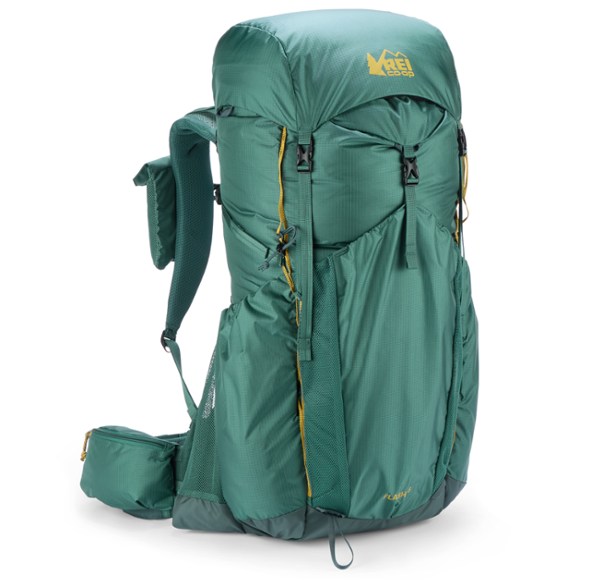
vs
Quick take: The REI Co-op Flash 55 costs $1 less; the REI Co-op Flash 55 carries more (55 vs 50 liters); the ULA Equipment CDT is lighter (1.69 vs 2.81 lbs).
| Spec | REI Co-op Flash 55 | ULA Equipment CDT |
|---|---|---|
| Price | $199 | $200 |
| Rating | 4.2★ (98) | — |
| Type | Ultralight Pack | Ultralight Pack |
| Frame Type | Internal Frame | Frameless |
| Capacity | 55 L | 50 L |
| Weight | 2.81 lbs | 1.69 lbs |
| Max Load | 30 lbs | 25 lbs |
| Torso Fit | Sized S-L, 15-20 in | S 15-18 in, M 18-21 in, L 21-24 in, XL 24+ in |
| Material | 100D ripstop nylon | UltraGrid reinforced double 200D recycled grid with UltraStretch mesh |
| Back Panel | Framed foam with ventilation channel | Frameless with removable pad |
| Adjustable torso | No | No |
| Ventilated back | No | No |
| Raincover included | No | No |
| Hipbelt pockets | Yes | Yes |
| Removable lid | Yes | No |
| Hydration sleeve | Yes | No |
| Fits BV500 bear can | Yes | No |
| Warranty | REI 1-year satisfaction guarantee | Manufacturer warranty; terms not published |
Pros & cons
REI Co-op Flash 55
- ✓The consensus best-value ultralight pack — r/Ultralight repeatedly ranks it the cheapest pack that doesn't compromise the essentials.
- ✓The Packmod system is genuinely clever: strip the lid, pockets, and straps to drop from 2.8 to about 2.35 lbs.
- ✓Frequent REI sales bring it near $150, undercutting every serious competitor by $100+.
- ✓The roll-top plus side zip gives both compression and mid-pack access, a combo rare at any price.
- ✓Hipbelt pockets come standard and fit modern phones — a dig at the Exos in every comparison thread.
- ✓A BV500 fits horizontally, which canister-country hikers specifically buy it for.
- ✓The 100D recycled ripstop wears better than its weight suggests; multi-thousand-mile PCT reports exist.
- ✓REI's return window makes it the lowest-risk way to test whether ultralight works for you.
- ✗The 30 lb comfort ceiling is real and arrives abruptly — reviewers agree it sours above that line faster than the Exos.
- ✗The foam back panel ventilates poorly compared to trampoline designs; sweat is the common summer gripe.
- ✗Fixed torso sizes with no adjustability make between-sizes buyers gamble.
- ✗The hipbelt wings flex under load, letting heavy carries sag onto shoulders.
- ✗Shoulder-strap padding is thin, a frequent complaint from higher-load users.
- ✗The bottle pockets angle awkwardly; retrieving a bottle one-handed takes practice.
- ✗Removable pieces are easy to lose and cost real money to replace.
- ✗Its 4.4-star REI average hides a bimodal split: light packers love it, heavy packers don't.
ULA Equipment CDT
- ✓ULA publishes a specific 25 lb maximum load, which most cottage brands leave unstated.
- ✓Four torso sizes from 15 to 24+ inches is far more sizing granularity than most frameless packs offer.
- ✓UltraGrid is a doubled 200D recycled grid, notably tougher than single-layer gridstop.
- ✓$200 is the cheapest ULA pack and undercuts most cottage frameless packs.
- ✓50 L is generous for a frameless pack, handling a bear canister at a push.
- ✓27.1 oz is competitive with framed packs 10 L smaller.
- ✓UltraStretch front pocket holds shape better than plain mesh.
- ✓ULA's sizing guidance explicitly covers what to do when between sizes, which is unusually careful.
- ✗25 lb is a hard ceiling and easy to exceed with water and several days of food.
- ✗Frameless construction puts the whole load on the shoulders once the pad is compressed.
- ✗No adjustable torso; the size must be right at purchase.
- ✗ULA lead times fluctuate significantly with seasonal demand.
- ✗No hydration sleeve as standard.
- ✗50 L invites overpacking past what a frameless pack can carry.
- ✗Warranty terms are not published in the way major brands publish them.
- ✗Limited retail presence, so trying one on before buying is unlikely.