Osprey Talon 22 vs Patagonia Terravia 28
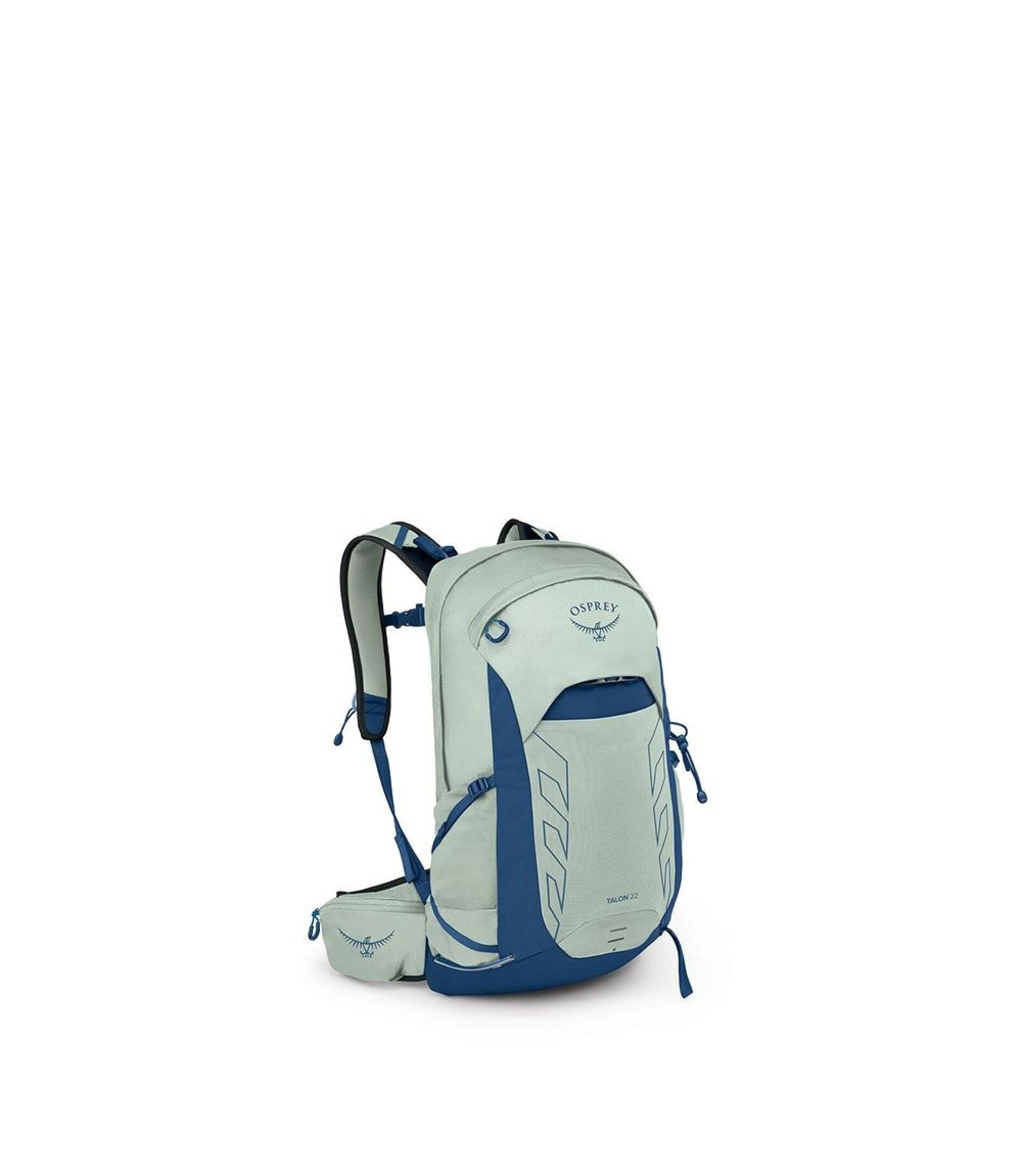
vs
Quick take: The Patagonia Terravia 28 costs $6 less; the Patagonia Terravia 28 carries more (28 vs 22 liters); the Patagonia Terravia 28 is lighter (1.6 vs 2.4 lbs).
| Spec | Osprey Talon 22 | Patagonia Terravia 28 |
|---|---|---|
| Price | $175 | $169 |
| Rating | 4.6★ (59) | 4★ (16) |
| Type | Daypack | Daypack |
| Frame Type | Frameless | Frameless |
| Capacity | 22 L | 28 L |
| Weight | 2.4 lbs | 1.6 lbs |
| Max Load | 25 lbs | Not specified by Patagonia |
| Torso Fit | Adjustable 16-20 in | One size |
| Material | 100D 100% recycled nylon with dobby check ripstop | 100% recycled nylon ripstop with PU coating |
| Back Panel | Injection-moulded AirScape framesheet | Breathable panel with ventilated shoulder straps |
| Adjustable torso | Yes | No |
| Ventilated back | No | Yes |
| Raincover included | No | No |
| Hipbelt pockets | Yes | No |
| Removable lid | No | No |
| Hydration sleeve | Yes | Yes |
| Fits BV500 bear can | No | No |
| Warranty | Osprey All Mighty Guarantee (lifetime) | Patagonia Ironclad Guarantee |
Pros & cons
Osprey Talon 22
- ✓The default daypack recommendation across r/hiking — the wrap-style harness moves with your body in a way boxier packs don't.
- ✓The AirScape ridged back panel carries better when scrambling than trampoline designs, staying tight to your center of gravity.
- ✓An adjustable torso on a daypack is rare and makes online buying safe.
- ✓The stretch front pocket swallows a shed layer without stopping — the feature owners use most.
- ✓Dual zippered hipbelt pockets fit phones and snacks, uncommon at this size.
- ✓The LidLock helmet clip and Stow-on-the-Go pole attachment genuinely work, making it a favorite of peak-baggers.
- ✓At 1.9 lbs it disappears on short trips yet handles 20+ lb summit loads.
- ✓Osprey's lifetime warranty on a $145 pack seals the value argument.
- ✗The foam back panel runs warm — sweaty backs are the top complaint versus the trampoline-mesh Stratos.
- ✗No raincover included, unlike the Stratos and Hikelite.
- ✗The main compartment is one big tube; organizers wish for more internal structure.
- ✗Bottle pockets are tight to reach with the pack on for broad-shouldered users.
- ✗The hipbelt is webbing-plus-mesh, not padded — fine at 15 lbs, thin at 25.
- ✗The 22L size fills fast in winter; layer-heavy hikers should size up to the 33.
- ✗Popular colorways sell out every spring.
- ✗Price has crept up over the years, narrowing its edge over house-brand rivals.
Patagonia Terravia 28
- ✓1 lb 9.6 oz for 28 L is light for a pack using a durable recycled ripstop rather than ultralight nylon.
- ✓100% recycled nylon ripstop made in a Fair Trade Certified factory, which is verifiable rather than a claim.
- ✓Patagonia's Ironclad Guarantee is among the strongest warranties in the outdoor industry.
- ✓The breathable back panel and shoulder straps address the usual frameless-pack sweat problem.
- ✓Three volumes from 22 to 36 L on the same design.
- ✓The 36 L roll-top version adds an internal frame for heavier loads.
- ✓PU coating gives real water resistance without a separate cover.
- ✓Patagonia's repair programme extends the pack's usable life well beyond most competitors'.
- ✗Frameless at 28 L, so the load sits against the back with no transfer to the hips.
- ✗Patagonia publishes no maximum load figure.
- ✗No hipbelt pockets.
- ✗$169 is expensive next to the REI Trail 25 at $100.
- ✗One size only, with no torso adjustment.
- ✗The 36 L size has no published US price.
- ✗No rain cover included.
- ✗Patagonia's pack range gets less design iteration than its apparel.