Osprey Exos 58 vs ULA Circuit
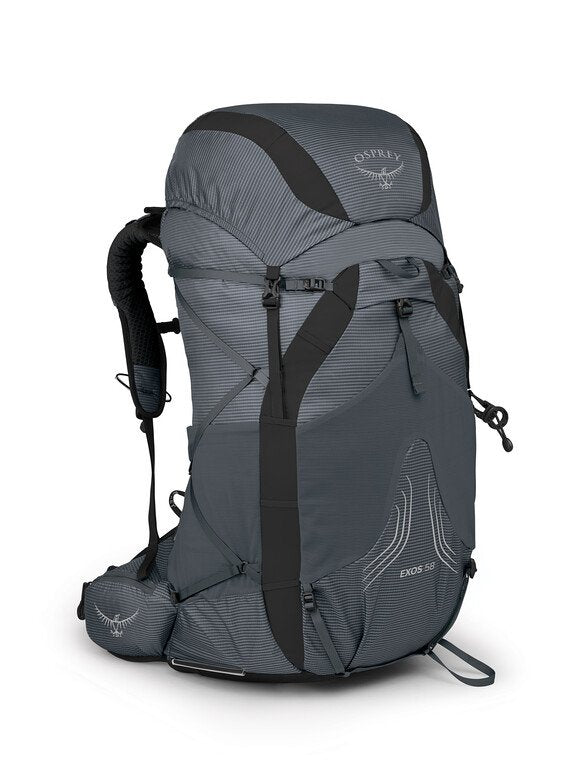
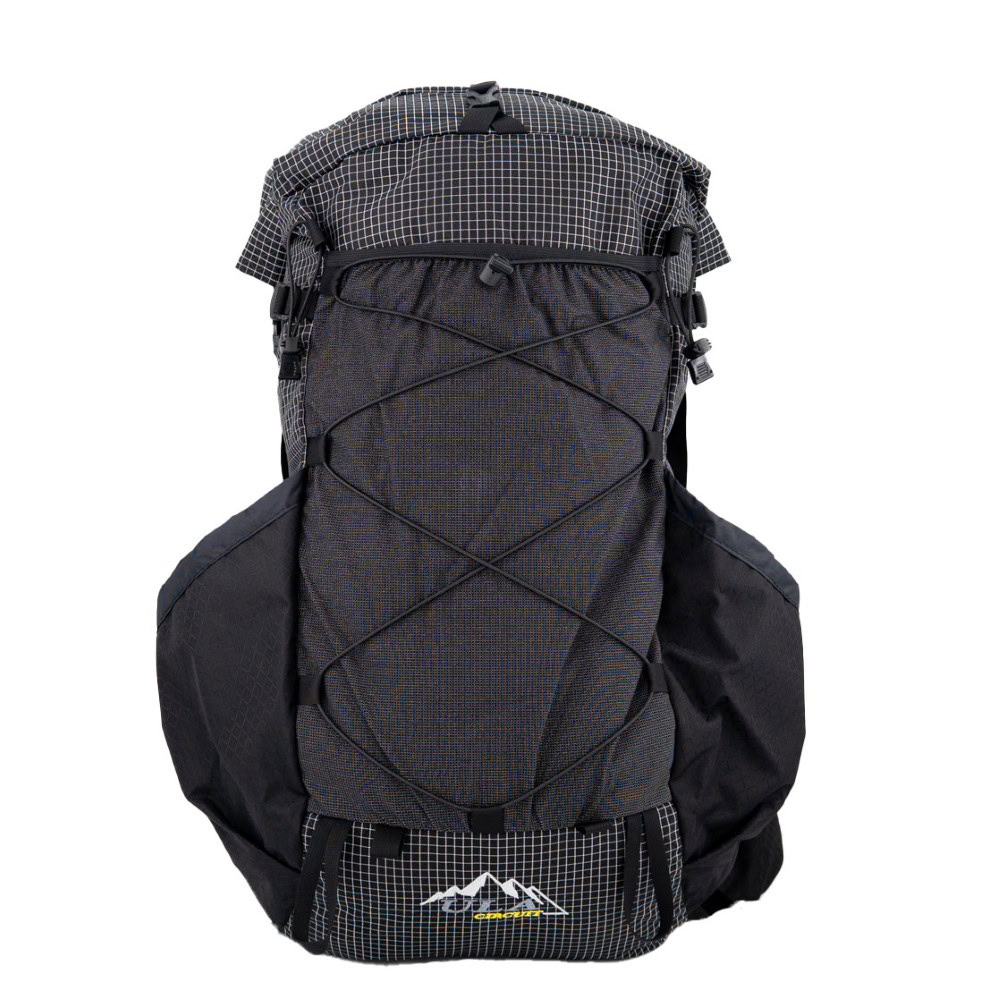
Quick take: The ULA Circuit costs $5 less; the ULA Circuit carries more (68 vs 58 liters); the ULA Circuit is lighter (2.33 vs 2.84 lbs).
| Spec | Osprey Exos 58 | ULA Circuit |
|---|---|---|
| Price | $285 | $280 |
| Rating | — | — |
| Type | Ultralight Pack | Ultralight Pack |
| Frame Type | Internal Frame | Internal Frame |
| Capacity | 58 L | 68 L |
| Weight | 2.84 lbs | 2.33 lbs |
| Max Load | 35 lbs | 35 lbs |
| Torso Fit | Adjustable 17-22 in across sizes | S: 15-18 in, M: 18-21 in, L: 21-24 in |
| Material | Recycled 100D high-tenacity nylon ripstop, PFAS-free DWR | ULA 400 Robic nylon |
| Back Panel | AirSpeed suspended mesh | Foam panel with carbon-fiberglass hoop and internal stay |
| Adjustable torso | Yes | No |
| Ventilated back | Yes | No |
| Raincover included | No | No |
| Hipbelt pockets | No | Yes |
| Removable lid | Yes | No |
| Hydration sleeve | Yes | Yes |
| Fits BV500 bear can | Yes | Yes |
| Warranty | Osprey All Mighty Guarantee (lifetime) | ULA lifetime against defects |
Pros & cons
Osprey Exos 58
- ✓The classic gateway ultralight — AT thru-hiker surveys have ranked the Exos among the most-carried packs for years running.
- ✓The AirSpeed trampoline back is the only real ventilation in the sub-3-lb class, and sweaty-back refugees notice immediately.
- ✓The current generation's adjustable torso fixed the old fixed-size gamble, making online sizing much safer.
- ✓It carries 35 lbs with a composure frameless cottage packs can't match, per constant r/Ultralight comparisons.
- ✓The removable lid strips 4+ ounces for weekend loads, with a flap jacket underneath to keep things clean.
- ✓Osprey's lifetime All Mighty Guarantee is a genuine advantage over cottage packs' 1-2 year coverage.
- ✓REI availability means you can try sizes on in person — rare in this weight class.
- ✓The 100D ripstop has proven far more durable than its spec-sheet denier suggests over multi-thousand-mile reports.
- ✗No hipbelt pockets on a pack this popular remains baffling — nearly every long reviewer lists it first.
- ✗The exposed side mesh pockets snag and tear on brush; they're the best-documented wear point.
- ✗The stock hipbelt is thin, and loads at the 40 lb ceiling telegraph straight to the iliac crest.
- ✗The trampoline frame bows into the packbag, so a BV500 rides high and awkward.
- ✗The stretchy shove-it pocket sags when loaded with wet gear.
- ✗The frame creaks for some users after dusty miles — a known quirk Osprey service lubes rather than fixes.
- ✗At $260 it's within $40 of true cottage packs (Circuit, Kakwa) that weigh half a pound less.
- ✗Ultralight purists find the hanging-lid-and-straps aesthetic fussy compared to clean roll-tops.
ULA Circuit
- ✓Has topped the Halfway Anywhere PCT gear survey for years — no pack has more verified thru-hiking miles behind its reputation.
- ✓Owners routinely report 3,000-5,000 trail miles before meaningful wear; the 400d Robic build is the UL durability benchmark.
- ✓The 68L total volume (bag plus huge pockets) swallows a BV500 plus a week of food, which smaller UL packs can't.
- ✓Carries its full 35 lb rating honestly — the hoop-and-stay frame outperforms most packs in its weight class.
- ✓The giant mesh front pocket and dual oversized hipbelt pockets define the category's organization standard.
- ✓Hand-made in Utah with a service team famous for repairs, spare parts, and straight answers.
- ✓The roll-top plus Y-strap handles bear canisters, foam pads, and packrafts without drama.
- ✓Resale value is exceptional — used Circuits sell within hours on UL trade forums.
- ✗The foam back panel has zero ventilation; expect a soaked shirt on humid climbs.
- ✗Fixed torso sizing means no adjustment range — measure carefully before ordering.
- ✗The utilitarian look (and famously loud color options) is a running joke even among loyalists.
- ✗At 2.33 lbs it's now heavier than newer rivals like the Kakwa 55 that match its carry.
- ✗No lid and minimal internal organization — everything lives in stuff sacks or the main tube.
- ✗Direct-order only in the US; you can't try one on in a store.
- ✗Lead times stretch during thru-hiking season, sometimes badly.
- ✗The J-curve shoulder straps don't suit every chest shape; some switch to S-straps aftermarket.