Osprey Rook 65 vs Osprey Stratos 24
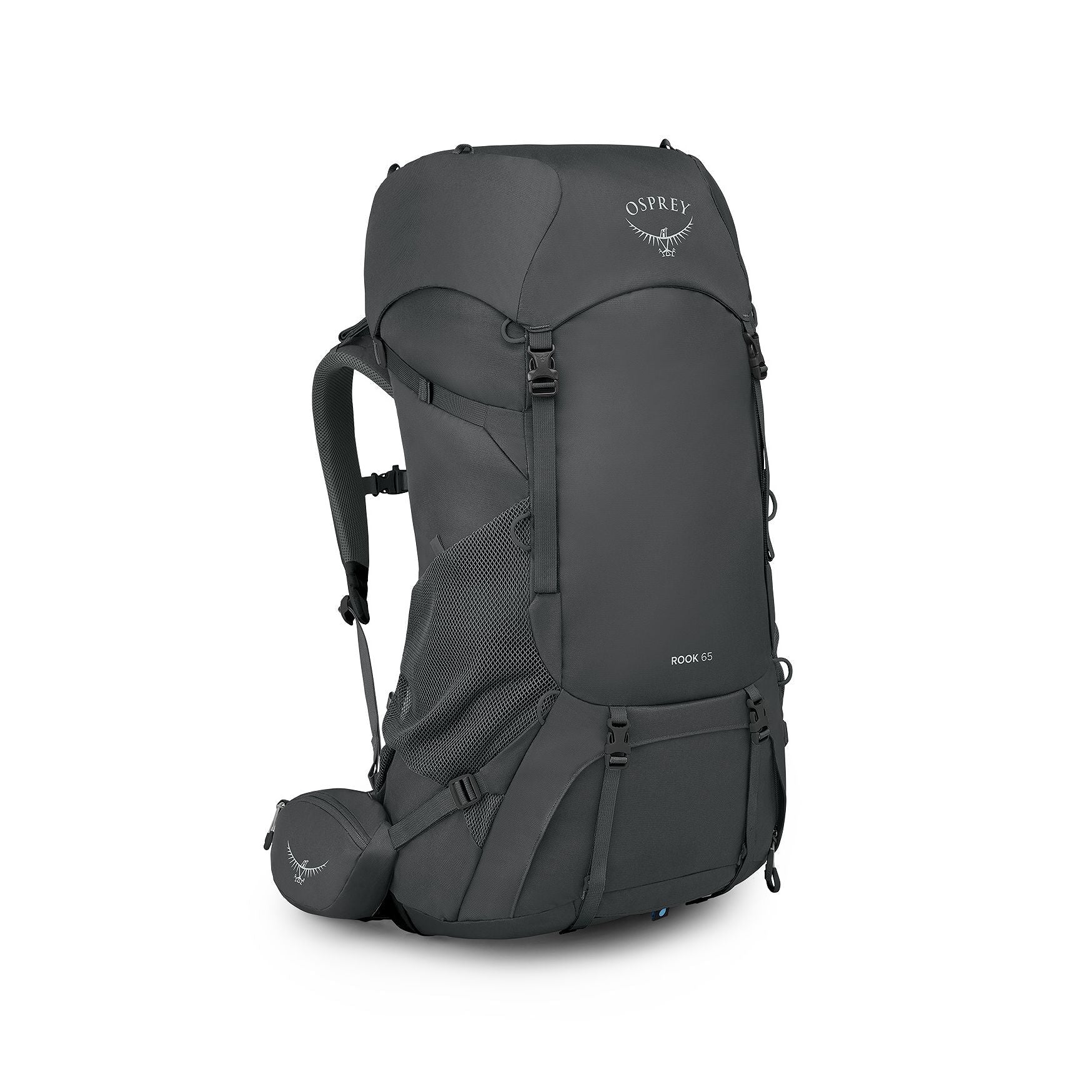
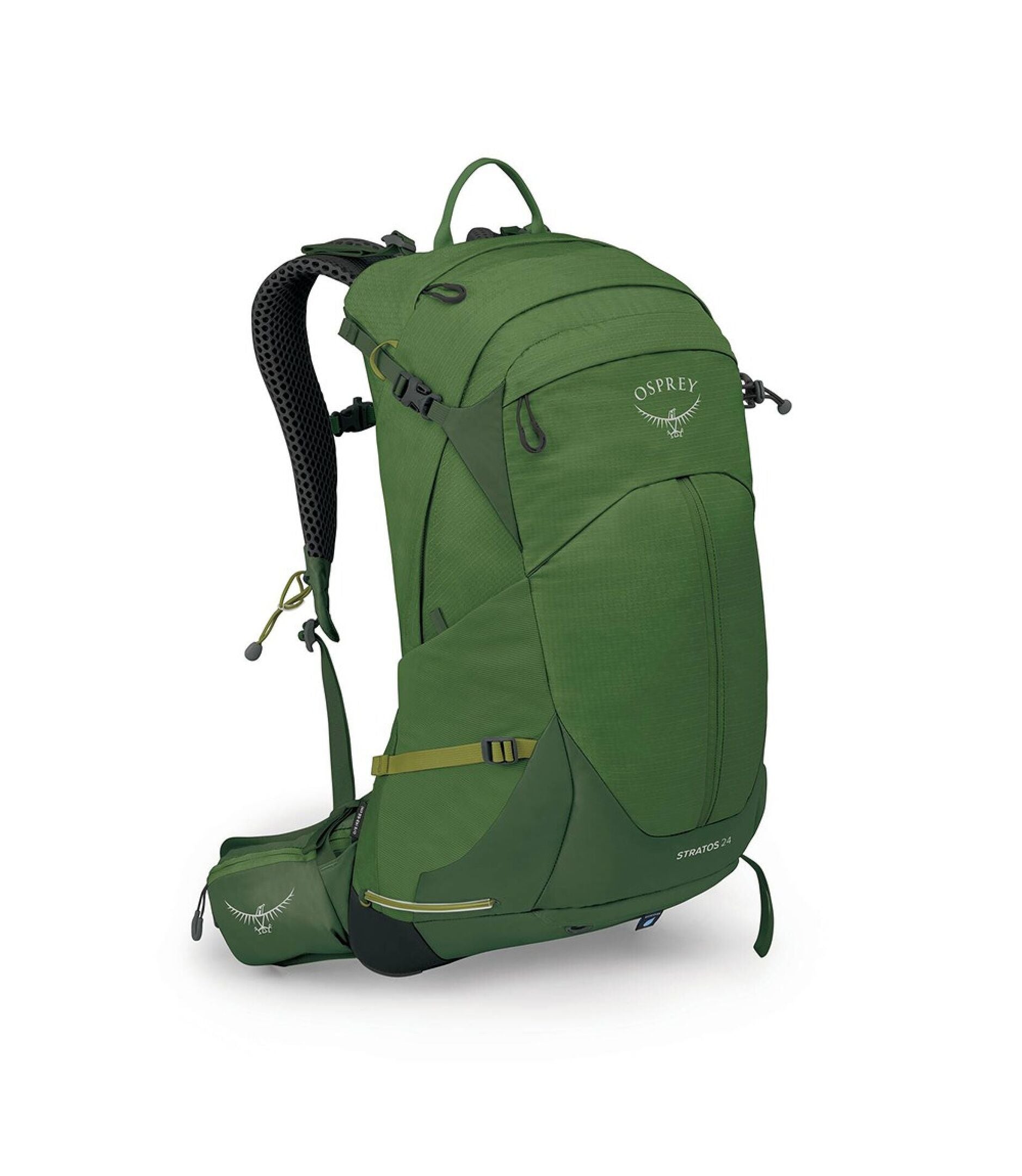
Quick take: The Osprey Stratos 24 costs $45 less; the Osprey Rook 65 carries more (65 vs 24 liters); the Osprey Stratos 24 is lighter (2.6 vs 3.5 lbs).
| Spec | Osprey Rook 65 | Osprey Stratos 24 |
|---|---|---|
| Price | $205 | $160 |
| Rating | 4.5★ (800) | 4.7★ (1,400) |
| Type | Traditional Pack | Daypack |
| Frame Type | Internal Frame | Internal Frame |
| Capacity | 65 L | 24 L |
| Weight | 3.5 lbs | 2.6 lbs |
| Max Load | 40 lbs | 30 lbs |
| Torso Fit | Adjustable 17-22 in | Adjustable 16-21 in |
| Material | 600D recycled polyester | 210D recycled nylon |
| Back Panel | AirSpeed suspended mesh | AirSpeed suspended mesh |
| Adjustable torso | Yes | Yes |
| Ventilated back | Yes | Yes |
| Raincover included | Yes | Yes |
| Hipbelt pockets | No | Yes |
| Removable lid | No | No |
| Hydration sleeve | Yes | Yes |
| Fits BV500 bear can | Yes | No |
| Warranty | Osprey All Mighty Guarantee (lifetime) | Osprey All Mighty Guarantee (lifetime) |
Pros & cons
Osprey Rook 65
- ✓The most common Reddit take: it delivers 80% of the Atmos experience for 55% of the price, making it the default budget recommendation.
- ✓A genuine suspended-mesh ventilated back panel at this price is nearly unique — competitors at $200 use flat foam.
- ✓The adjustable torso plus fixed but well-shaped hipbelt fits a wide range of first-time backpackers.
- ✓Includes a raincover, integrated and stowable, that budget rivals make you buy separately.
- ✓The 600D polyester is thick and confidence-inspiring; owners report it shrugging off years of rental-fleet-level abuse.
- ✓Covered by the same lifetime All Mighty Guarantee as Osprey's $400 packs.
- ✓At 3.5 lbs it is actually lighter than the Atmos AG despite costing far less.
- ✓The simple top-loading design with a fixed lid means fewer straps and less to fiddle with for new hikers.
- ✗No hipbelt pockets is the number-one complaint — snacks and phone require stopping or aftermarket pouches.
- ✗The hipbelt is not interchangeable or adjustable in length, so fit is less dialed than pricier Ospreys.
- ✗The heavy 600D fabric keeps the price down but makes the pack feel dense for its size.
- ✗The fixed lid can't be removed to save weight or run low-profile.
- ✗Load comfort degrades noticeably past 35-40 lbs compared to the Atmos or Aether.
- ✗Only one main-compartment access point — no side or bottom zips at this trim level.
- ✗The suspended mesh panel slightly bows the internal space like other trampoline designs.
- ✗Colorway options are limited and utilitarian compared to the flagship lines.
Osprey Stratos 24
- ✓The suspended mesh back is the whole pitch, and it delivers — hot-climate hikers report dramatically drier shirts than any foam-back pack.
- ✓An included raincover at $160 beats the Talon's bring-your-own approach.
- ✓The perimeter frame transfers 25-30 lb loads to the padded hipbelt better than any frameless daypack.
- ✓The adjustable torso plus fixed frame fits a wide range without feeling vague.
- ✓Thick harness and hipbelt padding make it the comfort pick for all-day carries.
- ✓Trekking pole attachment and multiple organization pockets come standard.
- ✓Owners report years of heavy use with minimal wear on the 210D body.
- ✓The lifetime warranty applies as always.
- ✗At 2.6 lbs it's heavy for a daypack — the Talon does 90% of the job at 70% of the weight, as versus threads repeat endlessly.
- ✗The trampoline back bows the packbag, shrinking usable volume noticeably below the stated 24L.
- ✗The rigid frame makes it awkward as a travel/carry-on squish pack.
- ✗The mesh stands the load off your back, which scramblers say hurts balance on technical terrain.
- ✗Bottle pockets angle backward and are hard to reach one-handed.
- ✗The fixed top-zip layout offers less quick outside stash than the Talon's stretch pocket.
- ✗It runs warm everywhere except the back panel itself — the thick padding is a tradeoff.
- ✗Price plus weight make it easy to talk yourself into a full ultralight overnight pack instead.