Hyperlite Mountain Gear Southwest 55 vs Zpacks Arc Haul Ultra 60
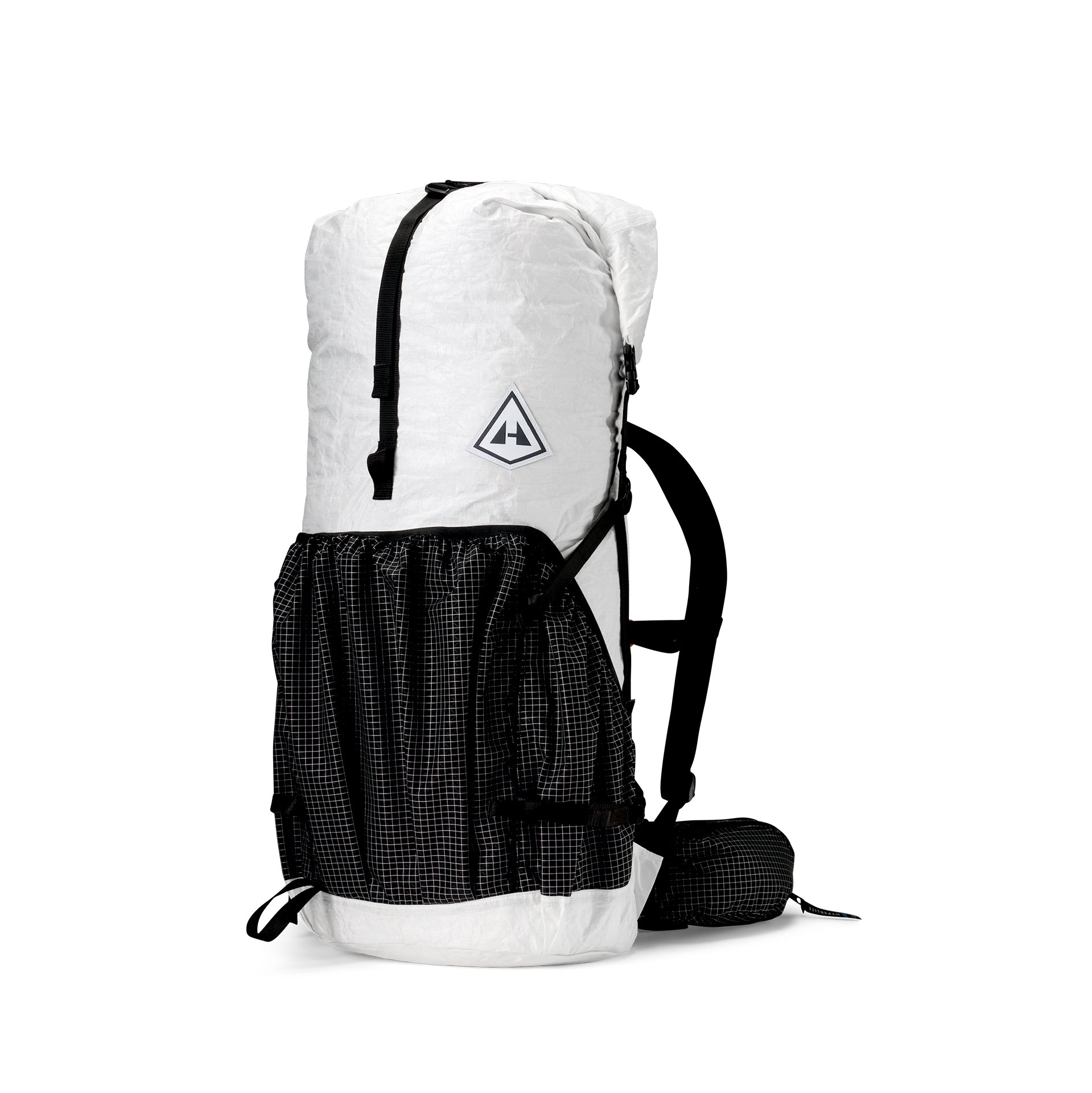
vs
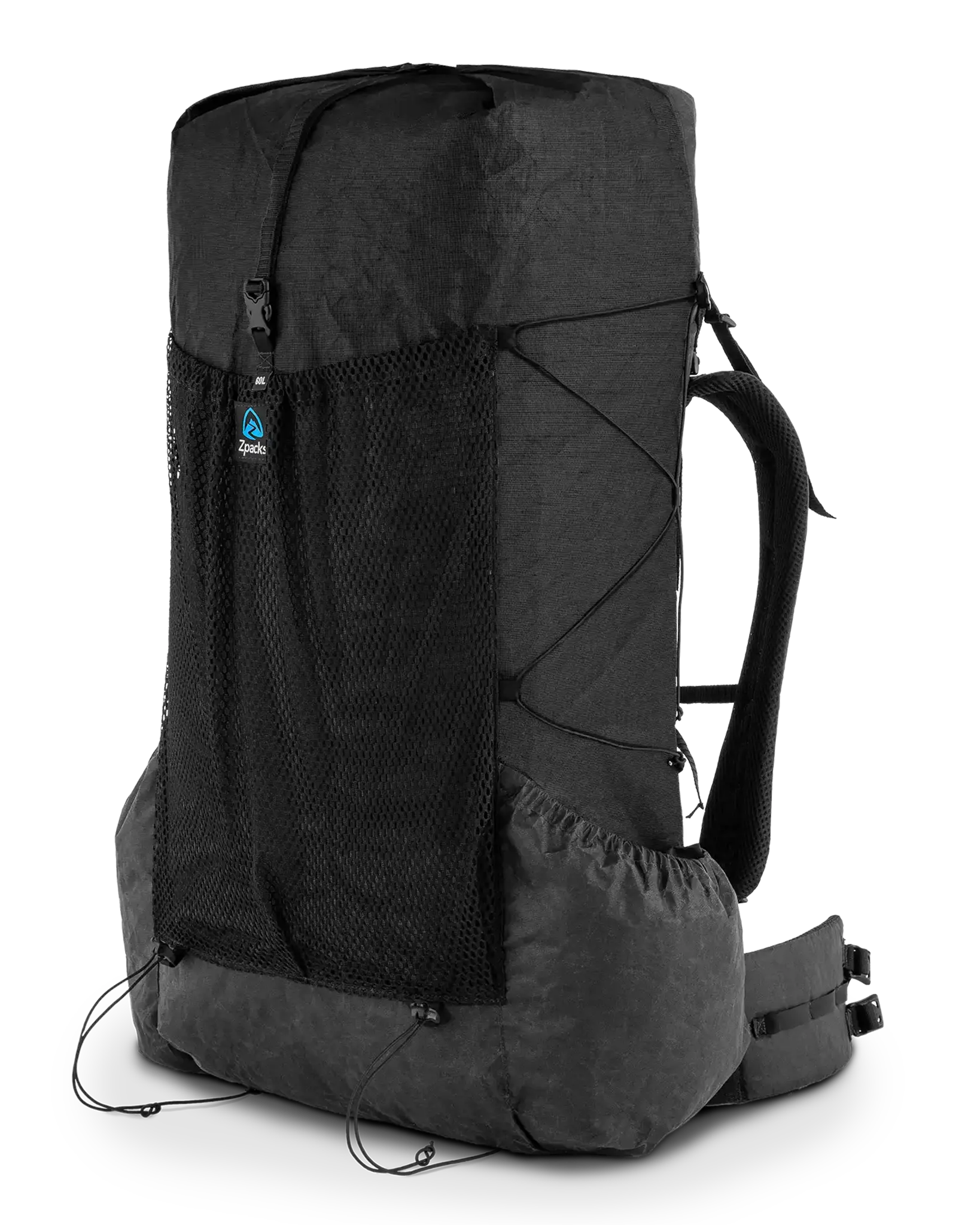
Quick take: The Zpacks Arc Haul Ultra 60 carries more (60 vs 55 liters); the Zpacks Arc Haul Ultra 60 is lighter (1.34 vs 1.85 lbs).
| Spec | Hyperlite Mountain Gear Southwest 55 | Zpacks Arc Haul Ultra 60 |
|---|---|---|
| Price | $399 | $399 |
| Rating | 4.7★ (600) | 4.6★ (350) |
| Type | Ultralight Pack | Ultralight Pack |
| Frame Type | Internal Frame | Internal Frame |
| Capacity | 55 L | 60 L |
| Weight | 1.85 lbs | 1.34 lbs |
| Max Load | 40 lbs | 40 lbs |
| Torso Fit | Sized S-XL, 15-22 in | User-adjustable frame height |
| Material | Woven Dyneema composite | Ultra 100X laminate |
| Back Panel | Foam pad with dual aluminum stays | Arc tensioned mesh with carbon frame |
| Adjustable torso | No | Yes |
| Ventilated back | No | Yes |
| Raincover included | No | No |
| Hipbelt pockets | Yes | Yes |
| Removable lid | No | No |
| Hydration sleeve | Yes | No |
| Fits BV500 bear can | Yes | Yes |
| Warranty | HMG limited lifetime on defects | Zpacks 2-year on materials and workmanship |
Pros & cons
Hyperlite Mountain Gear Southwest 55
- ✓The Dyneema body is functionally waterproof — owners in the PNW report ditching pack liners entirely for all but river fords.
- ✓At 1.85 lbs with real aluminum stays, it carries 35-40 lbs far better than its weight class suggests.
- ✓Solid-fabric exterior pockets shrug off desert brush that shreds mesh — the reason it's named Southwest.
- ✓Made in Maine with visible build quality; seam and bond failures are rare in owner reports.
- ✓The minimalist white aesthetic has genuine cult status — it signals 'thru-hiker' at a hundred yards.
- ✓The roll-top seals weather out and compresses cleanly from full food carry to weekend load.
- ✓Simple design means almost nothing to break: no zippers on the main bag, no lid, no mechanisms.
- ✓Strong resale value; used HMG packs move quickly at high prices.
- ✗$399 for a minimalist pack is the eternal sticking point — you can buy a Circuit and half a tent for the same money.
- ✗The foam-against-back panel is hot and clammy; Dyneema doesn't breathe at all.
- ✗Dyneema creases and abrades at fold points over thousands of miles — the fabric's known aging pattern.
- ✗Fixed torso sizes and a boxy fit don't suit every back; try-on options are nearly nonexistent.
- ✗The hipbelt pockets are small and awkward to zip one-handed, a long-running gripe.
- ✗White shows filth immediately and forever, which owners either embrace or hate.
- ✗The stays-plus-pad suspension is less sophisticated than the price implies — comfort trails the Circuit at max load for many users.
- ✗No hydration port on current models; bladder hoses route over the collar.
Zpacks Arc Haul Ultra 60
- ✓The lightest framed, ventilated 60L pack money can buy — nothing else combines 21.7 oz with a real airflow gap.
- ✓Backpacker magazine's best ultralight pack of 2026, adding mainstream validation to years of thru-hiker use.
- ✓The tensioned arc genuinely works: sweat reports drop dramatically versus foam-back cottage rivals.
- ✓Ultra 100X fabric is waterproof and far more abrasion-resistant than the old DCF packs.
- ✓The user-adjustable frame height effectively customizes torso length — rare in the cottage world.
- ✓Carries 35-40 lbs shockingly well for its weight, per repeated long-trail reviews.
- ✓Modular add-on ecosystem (belt pouches, shoulder pockets, lumbar pads) lets owners spec it like a custom pack.
- ✓Zpacks' repair department keeps long-trail packs alive mid-hike with fast turnarounds.
- ✗Early Ultra-fabric generations had documented delamination reports; Zpacks revised the laminate, but the history follows the brand on Reddit.
- ✗$399 plus the add-ons most people want pushes real cost toward $475.
- ✗The arc frame takes fiddling to tension right, and a mis-set arc pokes the lumbar.
- ✗The 2-year warranty is thin next to ULA's and Osprey's lifetime coverage.
- ✗The curved frame reduces usable volume and makes tall canisters ride oddly.
- ✗No hydration sleeve — bottle-only hydration is assumed.
- ✗Mesh and edge trim wear faster than the body fabric; brush country is not its habitat.
- ✗The whole design rewards careful owners and punishes casual abuse — it's precision gear, not a rental mule.