Deuter Aircontact Core 65+10 vs Deuter Speed Lite 24
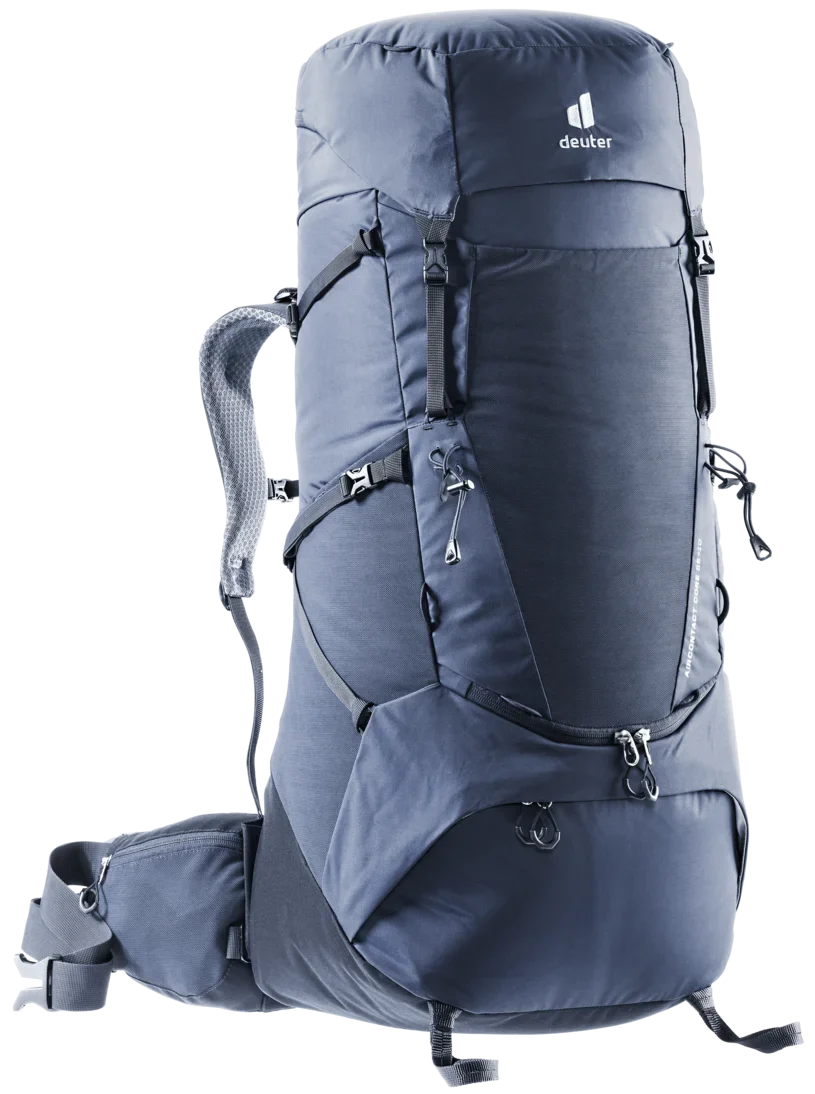
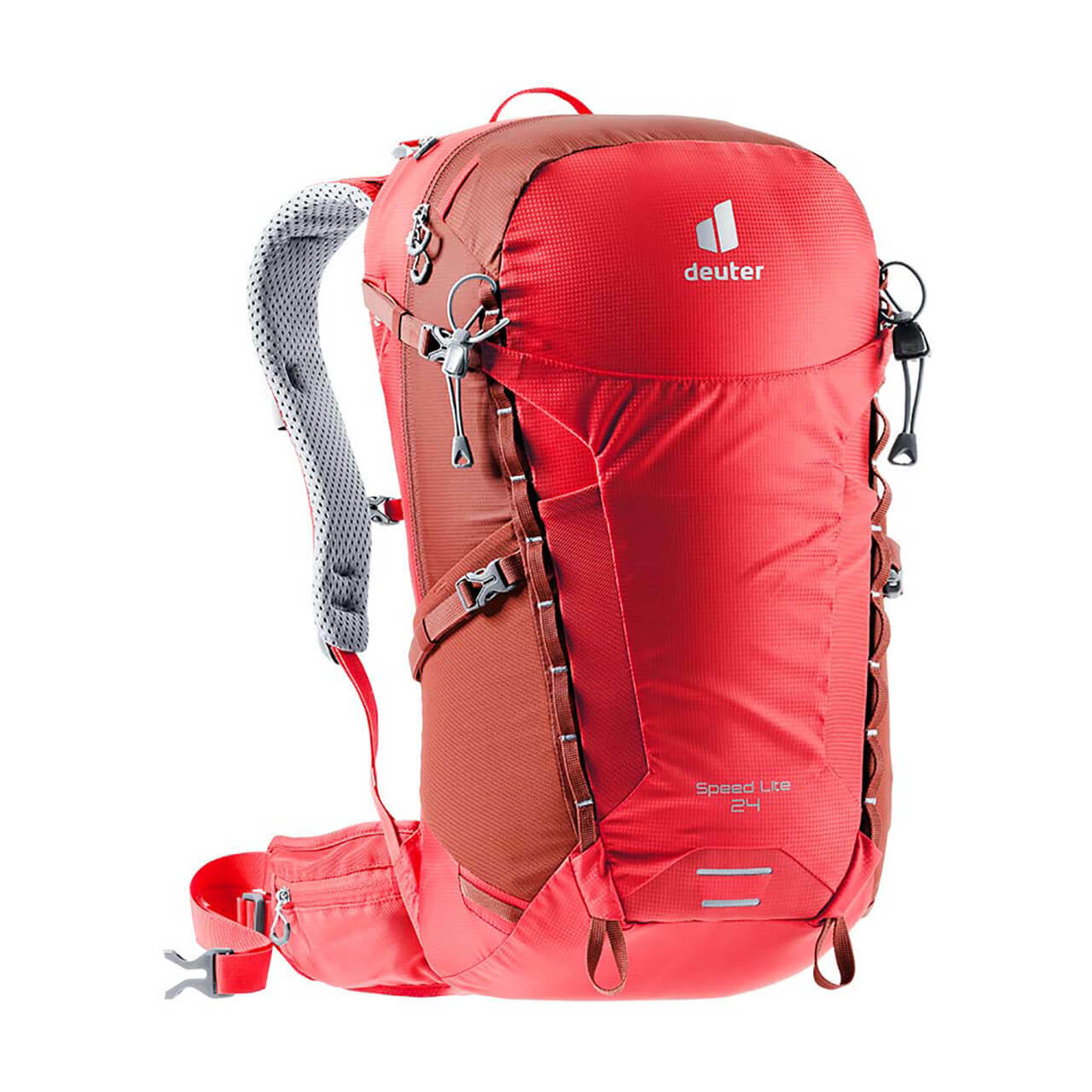
Quick take: The Deuter Speed Lite 24 costs $140 less; the Deuter Aircontact Core 65+10 carries more (75 vs 24 liters); the Deuter Speed Lite 24 is lighter (1.5 vs 5.16 lbs).
| Spec | Deuter Aircontact Core 65+10 | Deuter Speed Lite 24 |
|---|---|---|
| Price | $250 | $110 |
| Rating | 4.6★ (450) | 4.6★ (500) |
| Type | Traditional Pack | Daypack |
| Frame Type | Internal Frame | Internal Frame |
| Capacity | 65+10 L | 24 L |
| Weight | 5.16 lbs | 1.5 lbs |
| Max Load | 55 lbs | 20 lbs |
| Torso Fit | Adjustable VariSlide, 15-22 in | One size, ~16-20 in |
| Material | 500D recycled PES | 100D PFC-free recycled nylon |
| Back Panel | Aircontact ventilated foam pads | Lite Air ventilated foam with U-frame |
| Adjustable torso | Yes | No |
| Ventilated back | No | No |
| Raincover included | No | No |
| Hipbelt pockets | Yes | No |
| Removable lid | Yes | No |
| Hydration sleeve | Yes | Yes |
| Fits BV500 bear can | Yes | No |
| Warranty | Deuter lifetime repair policy | Deuter lifetime repair policy |
Pros & cons
Deuter Aircontact Core 65+10
- ✓The best price-per-liter of any serious load hauler — $250 for a pack that legitimately manages 50+ lbs draws constant value praise.
- ✓The expandable +10 collar swallows food carries and bulky winter gear that fixed 65L packs can't.
- ✓Deuter's VariSlide torso adjustment is stepless and holds position better than ladder systems, per multiple gear-forum tests.
- ✓The dense Aircontact foam pads transfer load with a planted, stable feel owners compare favorably to packs $120 more.
- ✓500-denier fabric and metal hardware give it a bombproof reputation; European trekkers commonly report 10+ year lifespans.
- ✓Bottom compartment with divider, front zip access, and a removable lid cover every organizational base.
- ✓Deuter's repair-first lifetime policy keeps packs in service rather than landfills, which owners appreciate.
- ✓The hipbelt's pivoting motion follows your stride surprisingly well for a pack this burly.
- ✗At 5.16 lbs it is the heaviest pack in its class — even fans admit you buy it for the load rating, not the scale.
- ✗The foam back panel is the sweatiest of the big haulers; ventilation channels help less than trampoline mesh designs.
- ✗No included raincover at this price point is a consistent gripe.
- ✗The Germanic strap-dense design overwhelms beginners; there are more adjustment points than most people will use.
- ✗It carries stiffly under 30 lbs, punishing anyone who mostly does weekend loads.
- ✗US dealer network is thinner than Osprey/Gregory, making try-before-buy harder.
- ✗The expanded +10 mode raises the load high above the shoulders, which some users find top-heavy in wind or scrambles.
- ✗Hipbelt pockets are small for modern phones.
Deuter Speed Lite 24
- ✓The V-taper rides tight to the spine — reviewers consistently call it the most stable daypack for scrambling and running descents.
- ✓At 1.6 lbs with a real U-frame it undercuts the Talon while carrying structure the Flash 22 lacks.
- ✓The Lite Air back foam breathes better than most contact panels, splitting the Talon/Stratos difference.
- ✓Dual sternum straps on some sizes lock the load for technical movement.
- ✓Tough 100D fabric with a strong eco story (PFC-free, recycled) and Deuter's German build quality.
- ✓Deuter's repair-first lifetime policy applies even to its cheap packs.
- ✓Ice-axe loop and compression straps make it genuinely alpine-capable.
- ✓Understated European styling wins fans tired of technical-looking packs.
- ✗The narrow athletic cut punishes broad backs and big layers — try before buying if you're barrel-chested.
- ✗The webbing hipbelt is removable but unpadded; there are no hipbelt pockets.
- ✗The slim profile fills fast — 24L here packs like 20L in a boxier bag.
- ✗No raincover included.
- ✗One-size torso with no adjustment.
- ✗The top-zip opening is narrower than clamshell rivals, slowing packing.
- ✗The stretch side pockets are tight for 1L bottles.
- ✗US retail presence is thin, so try-on options are limited.